truth,streamed.
Signal is a decentralized real-time data network — a global mesh of nodes streaming prices, events, and AI-generated data to smart contracts and agents, every feed signed and verified on-chain.
every feed,
one network.
Prices, events, AI outputs — streamed from thousands of nodes, aggregated, signed, and delivered in under a hundred milliseconds.
from source
to signed.
publish
a source publishes a value — a price, an event, a model output.
streams/customsign
nodes fetch it, verify it, and sign the aggregate.
nodes/runstream
the signed value streams to chains and agents in <100ms.
build/contractssettle
nodes earn $SIG for uptime; bad data gets slashed.
nodes/stakestreaming
right now.
Every signed update lands here the instant it aggregates. Feed, signer, and the latency it just clocked.
3,906 nodes,
one truth.
A global mesh of independent nodes fetches, verifies, and signs every value. No single source of truth — because there shouldn't be one.
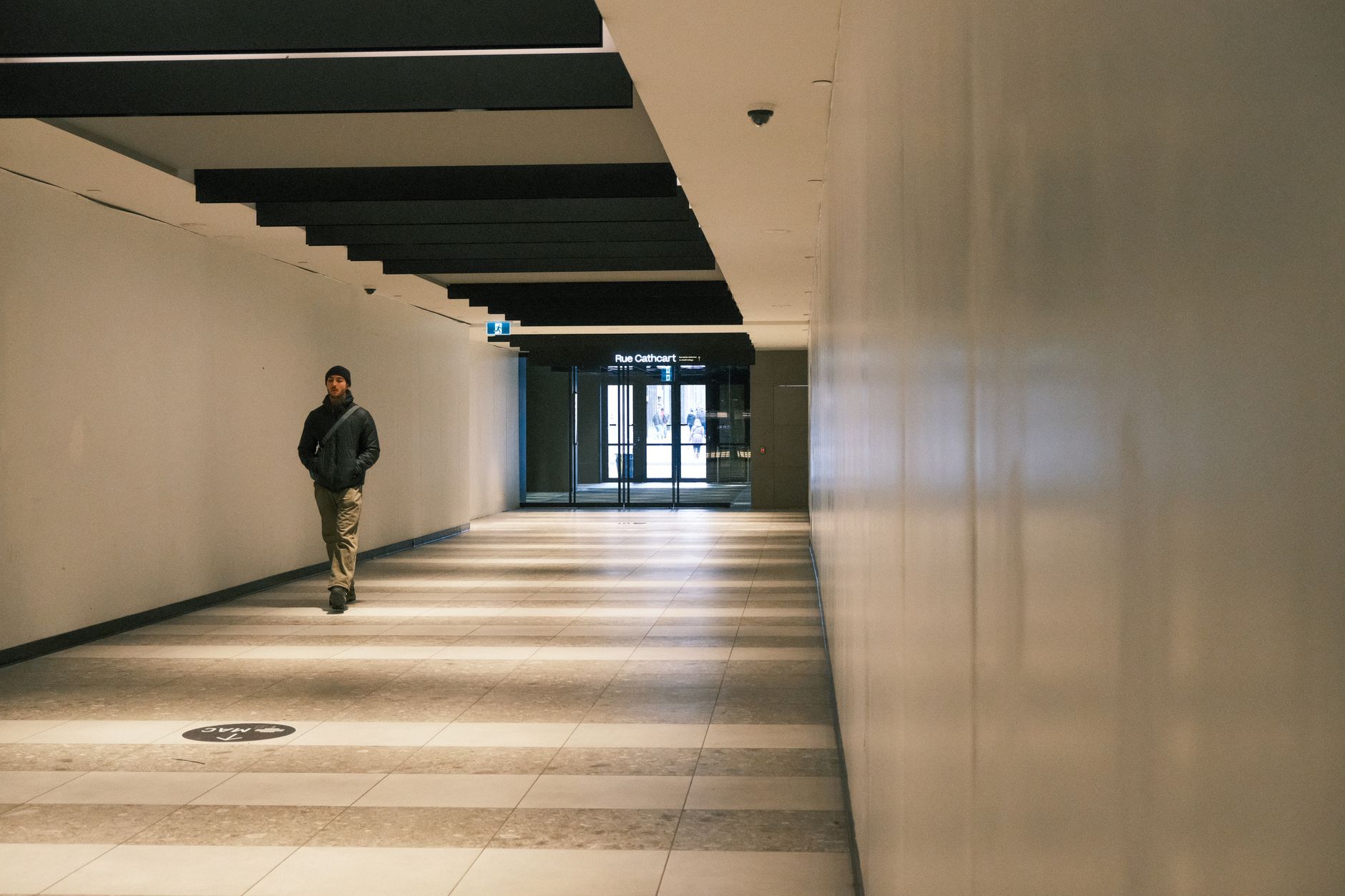
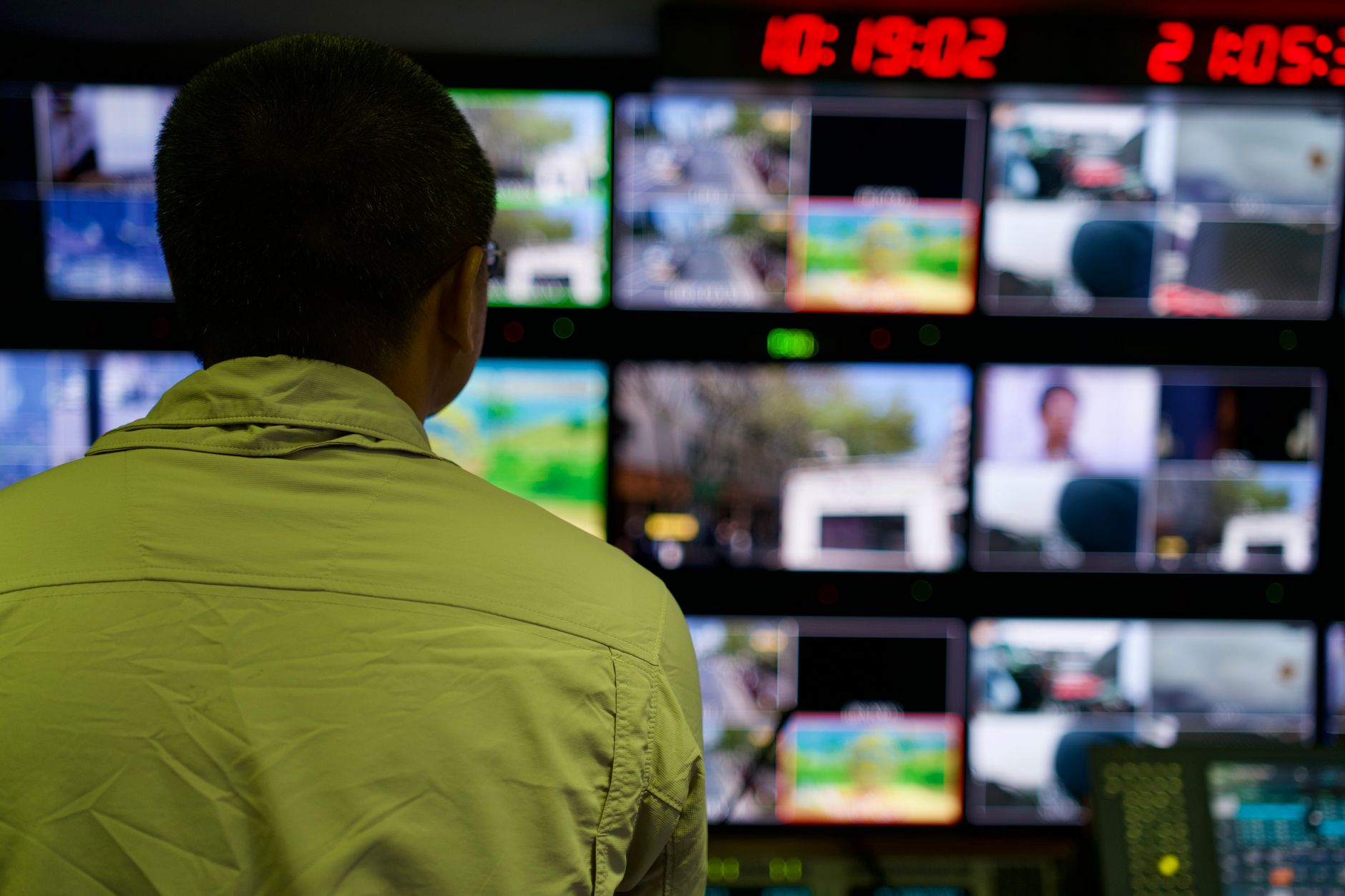
real racks,
real uptime.
Photos via Pexels, credited below.
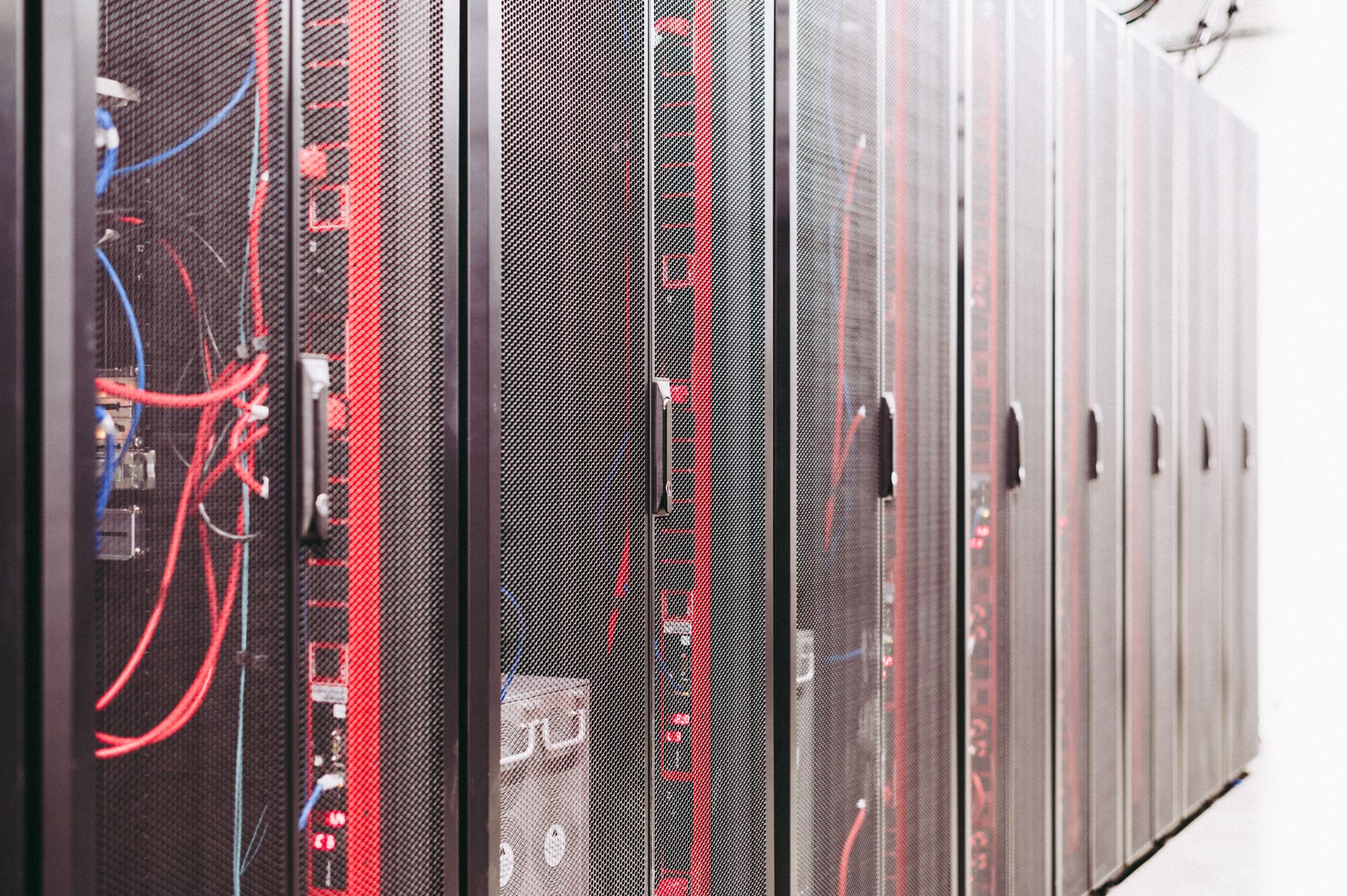
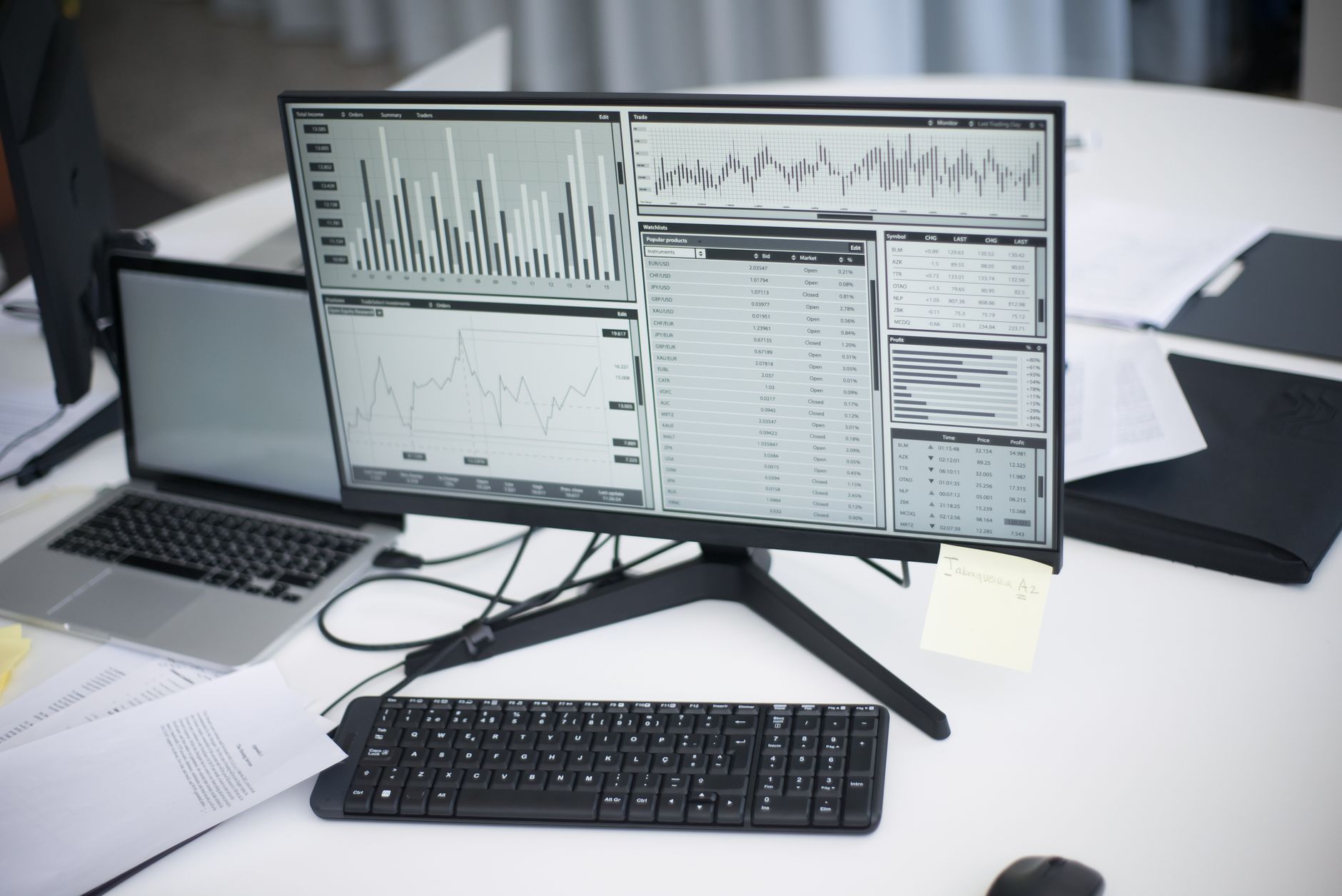
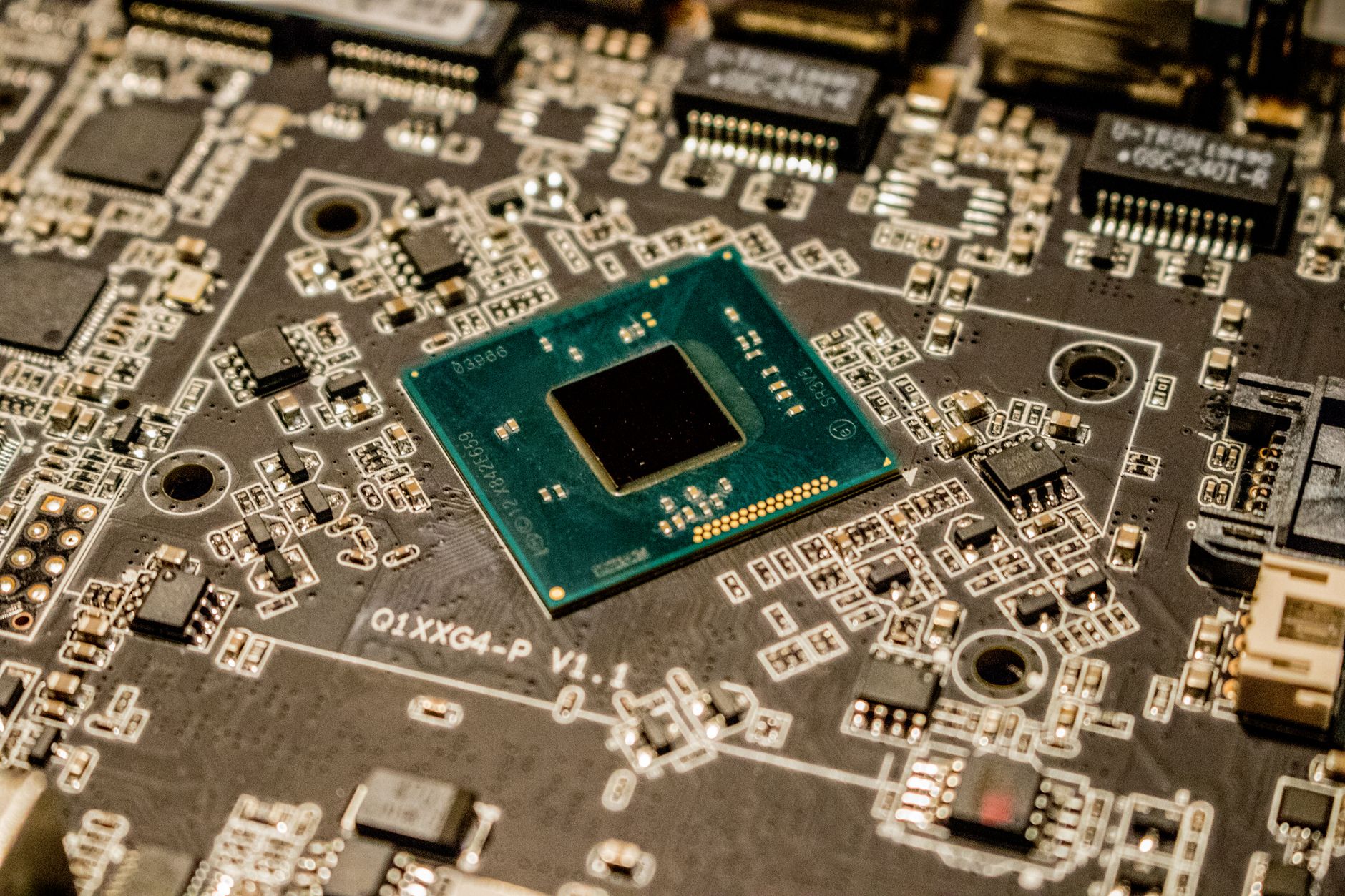
where the
stream is going.
on-chain pull + signed aggregates live
verified model outputs, signed at inference
server-sent streams for real-time consumers
permissionless nodes + staking on chain
short
answers.
who runs the nodes?
Anyone with hardware and a stake. Nodes fetch sources, verify values, and sign aggregates — and earn $SIG for every block they keep the feed live.
how is bad data stopped?
Every value is signed and slashing is on chain. A node that signs a wrong aggregate loses its stake, so the mesh punishes lies automatically.
how fast is it?
p95 latency is 90ms from source to signed value. Prices land in your contract before the block that needs them.
what does it cost to read a feed?
A fraction of a cent per update, paid in $SIG. The first 100k reads a month are free while the network is in beta.
the truth
moves fast.
Stream it. Your contracts and agents shouldn't wait for it.